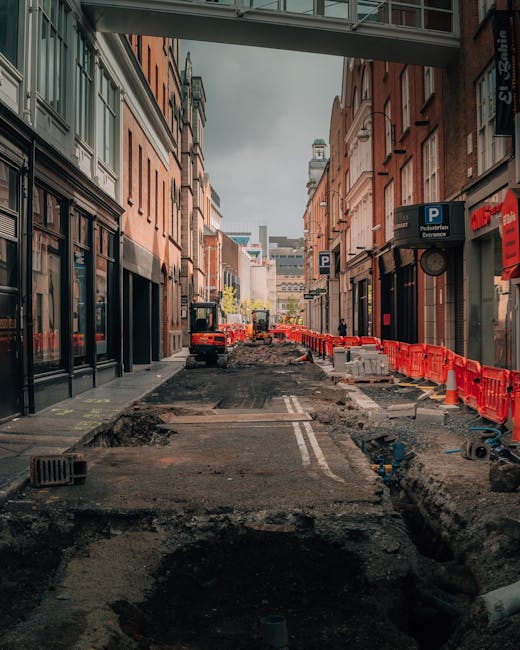
Narrow access Angel Road rubbish removal solution
Posted on 24/08/2026

Narrow access Angel Road rubbish removal solution: a practical guide for tight-access clearances
If you live or work near Angel Road and the access is awkward, you already know the problem: narrow stairwells, shared hallways, tight side passages, awkward parking, and items that seem to grow heavier the moment you reach the front door. A proper Narrow access Angel Road rubbish removal solution is not just about taking waste away; it is about removing it cleanly, safely, and without turning your building, your neighbours, or your day upside down.
This guide explains how narrow-access rubbish removal works, who it suits, what to watch for, and how to plan a smoother clearance. It is written for real-world situations - the sort where a sofa barely clears the banister, or builders' waste is stacked in a back garden you can only reach through a slim side gate. Let's face it, that is exactly where a bit of know-how saves time, money, and hassle.
Why Narrow access Angel Road rubbish removal solution Matters
Narrow access creates a very different rubbish removal job from a straightforward kerbside collection. A clearance team may have to work around restricted entrances, controlled access blocks, shared courtyards, low ceilings, fragile walls, or a parking layout that simply does not cooperate. On Angel Road, that can mean a quick job turning into a slow one if nobody has planned properly.
Why does that matter? Because the usual risks are not small. Poor access planning can cause scuffed walls, broken handrails, blocked corridors, stressed neighbours, delays, and items being left behind because they are too awkward to move once the team arrives. In tighter properties, the difference between a tidy clearance and a messy one is often a few careful decisions made before the van even arrives.
It also matters for scheduling. If access is limited, loading takes longer. That can affect timing, crew size, and the type of vehicle used. In some cases, the right approach is a smaller vehicle, a split-load method, or a collection plan that avoids busy periods. A good provider should talk you through that in plain English, not hide behind jargon.
If you want a broader sense of how local waste services fit together, the site's rubbish collection service in Enfield and waste clearance options are useful reference points.
How Narrow access Angel Road rubbish removal solution Works
The process is usually more methodical than a standard clearance. The team will want to understand what needs removing, where it is located, how it can be carried out, and whether parking or loading access is limited. In practical terms, that means a short assessment before collection day - sometimes by photos, sometimes by a quick visit, sometimes both.
A sensible narrow-access job often follows this pattern:
- Initial access check: You describe the route out of the property, any staircases, gates, locks, bollards, shared entrances, or weight limits.
- Item review: The team identifies bulky pieces, heavy waste, sharp materials, and anything that may need disassembly.
- Load planning: They decide whether to use extra labour, a smaller vehicle, protective equipment, or a staged removal plan.
- Arrival and setup: The crew protects surfaces where needed and keeps the route as clear as possible. A bit of floor protection can make a surprisingly big difference.
- Careful removal: Items are moved in a controlled way, not dragged blindly through tight gaps. That sounds obvious, but you would be amazed how often it is overlooked.
- Sorting and disposal: Reusable, recyclable, and general waste are separated where practical, helping reduce what ends up in general disposal.
For garden-heavy jobs, narrow access often overlaps with outdoor waste removal too. If that sounds familiar, the page on garden waste removal in Enfield is relevant, especially where access to the rear of a property is tight.
Some jobs need a bit more creativity. A wardrobe might need to be partly dismantled. Builders' rubble may need to be bagged in smaller loads. White goods can need two-person handling. Truth be told, the job is often won or lost on the logistics, not the lifting.
Key Benefits and Practical Advantages
A well-planned narrow access clearance saves more than effort. It improves safety, reduces friction with neighbours, and usually gets the job done more cleanly. Here are the biggest advantages.
- Less property damage: Careful movement and the right equipment reduce the chance of knocks, chips, and scratches.
- Faster load-out: Even though access is tight, planning the route properly can keep the job moving.
- Better control of costs: When access is understood in advance, there are fewer last-minute surprises.
- Less stress: The right method makes the whole experience feel calmer, which matters more than people admit.
- Safer handling of bulky items: Heavy or awkward waste can be moved without guesswork.
- More recycling opportunities: With the right sort and load plan, reusable items and recyclable materials are easier to separate.
There is also a local practical benefit. In dense parts of Enfield, the streets and entrances can be busy, and residents often need a service that works around real-life constraints. That is one reason pages such as Enfield rubbish collection and waste disposal in Enfield are worth comparing when you are deciding how to move forward.
Expert summary: The best narrow-access rubbish removal solution is not the one that promises the loudest speed. It is the one that understands the access route, protects the building, and gives you a realistic plan before collection day.
Who This Is For and When It Makes Sense
This type of service is ideal for anyone whose waste cannot be collected from an open driveway or simple front path. That usually includes flat owners, landlords, letting agents, shop managers, small offices, builders, and homeowners with awkward side access. If your rubbish is in a loft, a basement, a rear yard, or a top-floor flat with one narrow staircase, you are in the right territory.
It also makes sense when the items are bulky rather than numerous. Think old sofas, broken wardrobes, mattresses, filing cabinets, office chairs, white goods, DIY waste, or a mixed pile from a renovation. If you are dealing with a full property clearance, a broader service like house clearance in Enfield may be a better fit. For office-related work, office clearance is often the more practical route.
A lot of people only realise they need narrow-access support when they have already tried to move an item themselves and, well, that's where the headache starts. The sofa gets stuck half-way down the stairs, someone mutters a few words they probably regret, and suddenly the job is bigger than it looked. Been there, seen it.
In short: if access is tight enough to make you pause and think, "how on earth are we getting this out?", then this solution is probably for you.
Step-by-Step Guidance
Here is a straightforward way to prepare for a narrow-access clearance in Angel Road without overcomplicating it.
- List everything to be removed. Include sizes if you can. A quick note like "double wardrobe, no doors removed" helps more than you might think.
- Measure the tight spots. Stair width, doorway width, and any turning points are the key numbers. You do not need an engineer's notebook - just usable measurements.
- Photograph the route. Pictures of staircases, hallways, gates, and the waste itself help the team decide the best method.
- Clear the path. Move shoes, planters, recycling bags, and anything else that could make the route awkward.
- Check parking and loading access. If the van cannot stop close by, the clearance may need extra carrying time. That's normal, but it should be planned.
- Ask about disassembly. Sometimes a bed frame, table, or wardrobe can be broken down safely to make extraction easier.
- Confirm what happens to mixed waste. It helps to know which items are recyclable, which need separate handling, and whether any special waste is involved.
- Agree timing carefully. If the property is shared, a quieter slot may be better than trying to move everything during peak traffic or school-run chaos.
If your clearance also includes heavy furniture, you may want to compare the approach with furniture disposal or furniture removal in Enfield, since those jobs often involve the same access issues.
A small but useful tip: leave the awkward item until last only if the route stays clear. Otherwise, remove the largest obstruction first and let the rest of the job become easier. Simple, but effective.
Expert Tips for Better Results
There are a few small decisions that improve narrow-access clearances far more than most people expect. These are the things that save time on the day.
- Send photos from the exact route: Not just the rubbish. The route matters just as much.
- Tell the team about low ceilings or turns: A staircase with a sharp landing can change the whole plan.
- Separate hazards early: Broken glass, nails, paint tins, and electricals should not be mixed casually with general waste.
- Keep fragile items away from the path: Mirrors, frames, lamps, and ornaments can get knocked very easily.
- Be honest about weight: If an item is waterlogged, packed solid, or heavier than it looks, say so.
- Plan around neighbours: Shared hallways and narrow entrances are easier to manage when everyone knows a collection is happening.
One thing experienced crews appreciate is a realistic description, not an optimistic one. "It's only a couple of bags" can turn into a mountain. "There's a cramped basement stair and a big fridge" is much more useful. Small difference, big result.
If the job involves commercial stock or a workspace, it may help to review commercial waste removal in Enfield so you can match the method to the site layout.

Common Mistakes to Avoid
Narrow-access clearances fail for predictable reasons. The good news is that most of them are avoidable.
- Ignoring the route: People focus on the rubbish and forget the narrow hallway, stair, or gate.
- Booking without measurements: Guessing door widths is a recipe for awkward surprises.
- Not mentioning parking restrictions: If the vehicle cannot get close, loading time and cost can change.
- Leaving the item assembled when it should be dismantled: Sometimes a quick disassembly makes the whole job possible.
- Mixing waste types: Some items are better sorted before removal, especially heavier or awkward waste.
- Assuming all crews handle tight access the same way: They do not. Methods vary a lot.
Another common slip is forgetting how long the job takes once the team has to use a slower, careful carry route. It is not a sign that anything is wrong. It just means the access is what it is. A bit frustrating, yes, but manageable.
If you are trying to keep the overall job efficient and affordable, reading how to avoid hidden rubbish removal charges in Enfield Town can help you ask better questions upfront.
Tools, Resources and Recommendations
You do not need special equipment at home to prepare properly, but a few basics help a lot. A tape measure, phone camera, gloves, and bin bags are the obvious ones. A torch is handy too, especially in older properties where basement or loft access is dim and a bit dusty.
From the service side, the useful tools are usually the ones you do not notice: moving blankets, straps, protective coverings, sack trucks, and the right vehicle size. In narrow-access work, those small things often matter more than brute force. Nobody wants a scratched bannister or a chipped plaster corner. Nobody.
Useful service pages to compare, depending on the kind of waste you have, include builders' waste disposal, white goods and appliance disposal, and loft clearance. These often overlap with tight-access conditions.
For background on how the business approaches responsible disposal, the pages on recycling and sustainability and services overview are helpful. If you are comparing costs, pricing and quotes gives you a useful starting point.
Law, Compliance, Standards, or Best Practice
For rubbish removal in the UK, good practice matters a great deal. You should expect a provider to handle waste responsibly, move it safely, and dispose of it through appropriate channels. That means being clear about the waste type, avoiding unsafe lifting, and making sure anything removed is handled by a properly authorised operator.
For customers, the key point is simple: do not hand waste to someone who cannot clearly explain how it will be managed. If you are dealing with a clearance company, it is reasonable to ask about insurance, safety, and compliance. Those are not awkward questions. They are the right questions.
Where a property has tight access, safety standards become even more important. Narrow staircases, shared entrances, and low-light routes can create trip hazards and collision risks. Best practice usually means controlled lifting, clear communication, sensible staffing, and a route that is checked before anything heavy is moved. There is nothing glamorous about that. But it works.
You can also review waste carrier licence and compliance, insurance and safety, and terms and conditions for the kind of practical details a careful customer should look for.
If you are arranging clearance on behalf of a business, leaseholder, or landlord, it is wise to keep records of what was removed and when. That is not overkill. It is just tidy management.
Options, Methods, or Comparison Table
Different access situations call for different methods. Here is a simple comparison to help you decide what fits best.
| Method | Best for | Strengths | Limitations |
|---|---|---|---|
| Standard kerbside collection | Open access, easy loading, light to moderate waste | Fast, straightforward, often simplest | Not suitable where waste must be carried through tight internal routes |
| Two-person narrow-access removal | Bulky furniture, stairs, shared entrances, awkward turns | Safer handling, better control, less property damage | Usually slower and may require more planning |
| Disassembly-first approach | Large wardrobes, beds, desks, table systems | Opens up blocked routes and makes extraction possible | Needs time and the right tools |
| Staged clearance | Full rooms, mixed waste, limited parking, or timed access | Reduces congestion and keeps the route usable | May take longer over all |
There is no single winner for every job. A compact flat on Angel Road may only need a two-person carry and careful padding. A rear-garden clearance might need a staged approach. A small office might be better handled in one morning slot before staff arrive. The right method is the one that fits the building, not the one that looks neat on paper.
Case Study or Real-World Example
Here is a realistic example. A first-floor flat had a sofa, two wardrobes, a broken chest of drawers, and several bags of mixed household waste. The issue was not the amount. It was the route: a narrow shared staircase, a tight turn at the landing, and a front entrance that could not stay open for long because the building was occupied.
Instead of trying to force the job through in one go, the team planned the removal in stages. The wardrobes were checked first, and one needed partial disassembly. The sofa was carried separately with protective covers on the corners. The bags were loaded last so the route stayed clear. No rush, no shouting, no damage. A bit dull, perhaps - but dull is good when you are moving furniture through a tiny stairwell.
The difference came from the prep. The resident had sent photos of the hallway, the staircase, and the turn at the top. That allowed the team to arrive with the right crew size and the right approach. What could have become a messy all-day problem stayed a neat morning clearance.
For situations like that, services linked to furniture disposal, house clearance, and rubbish collection are especially relevant.
Practical Checklist
Use this before booking a narrow-access rubbish removal job in Angel Road.
- Measure the narrowest doorway, stair section, or gate.
- Photograph the access route from entrance to waste location.
- List bulky items separately from general rubbish.
- Note anything that needs dismantling.
- Check whether parking or loading is restricted.
- Clear loose items from hallways and landings.
- Tell the team about fragile walls, glass, or awkward corners.
- Ask how recycling and mixed waste will be handled.
- Confirm insurance, safety, and compliance details.
- Choose a time slot that suits neighbours and site access.
If the waste is mainly garden cuttings or outdoor clutter, it may help to compare with garden waste disposal in Enfield. If the job is more business-focused, the guidance on office clearance may be more useful.
Conclusion
A narrow access Angel Road rubbish removal solution is really about fitting the clearance to the building. Once you accept that the route matters as much as the rubbish itself, the whole job becomes easier to plan. Measure the tight spots, share clear photos, choose the right method, and work with a team that understands careful handling rather than brute-force shortcuts.
The best outcomes feel almost uneventful. The hallway stays intact, the waste disappears, and you are left with a bit more space and a lot less stress. That is the goal, after all. Simple, tidy, done properly.
Get a free quote today and see how much you can save.